| FATCAT | This project is closed |
| Future Antenna Technology for Cars and Trucks |
|
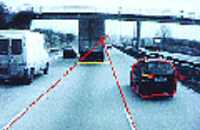
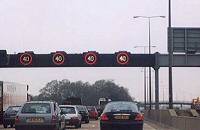
Context Using extremely high frequency (63 GHz) links, vehicles will be able to communicate with each other to form co-operative platoons, to use collision avoidance systems and to alert drivers to manoeuvres by other vehicles. Links with a network of roadside beacons will give drivers pre-information about traffic flow, parking at their destination and a range of communication and entertainment services. The antenna must be able to provide all-round coverage and handle safety-critical messages, while being low cost and compatible with the design and styling of the car. Aims To study the feasibility of designing millimetre-wave antennas for future vehicles and of mounting these on the vehicle without compromising the aerodynamics or the visual appeal of the vehicle. Method Identify appropriate types of antenna which meet the required criteria. Use computer modelling to predict the antenna performance and modifications caused by interactions with the vehicle structure. Explore both metallic and non-metallic (e.g. composite) materials. The project is now complete Benefits The project has identified feasible designs of 63GHz antenna for communication between vehicles and with the infrastructure. Participants Marconi Research Centre University of Birmingham BSH Industries Ltd. |
|
|

|
|
|
|
|
|